Precision work depends on fit and control—not on how many bits are printed on the box. A well-chosen precision screwdriver set helps you handle small fasteners, delicate assemblies and detailed household repairs while reducing the risk of slipping or damaging screw heads.
This guide covers precision screwdriver bit types, how to select the correct size, useful supporting tools, ESD considerations, safe technique and a practical buying checklist.
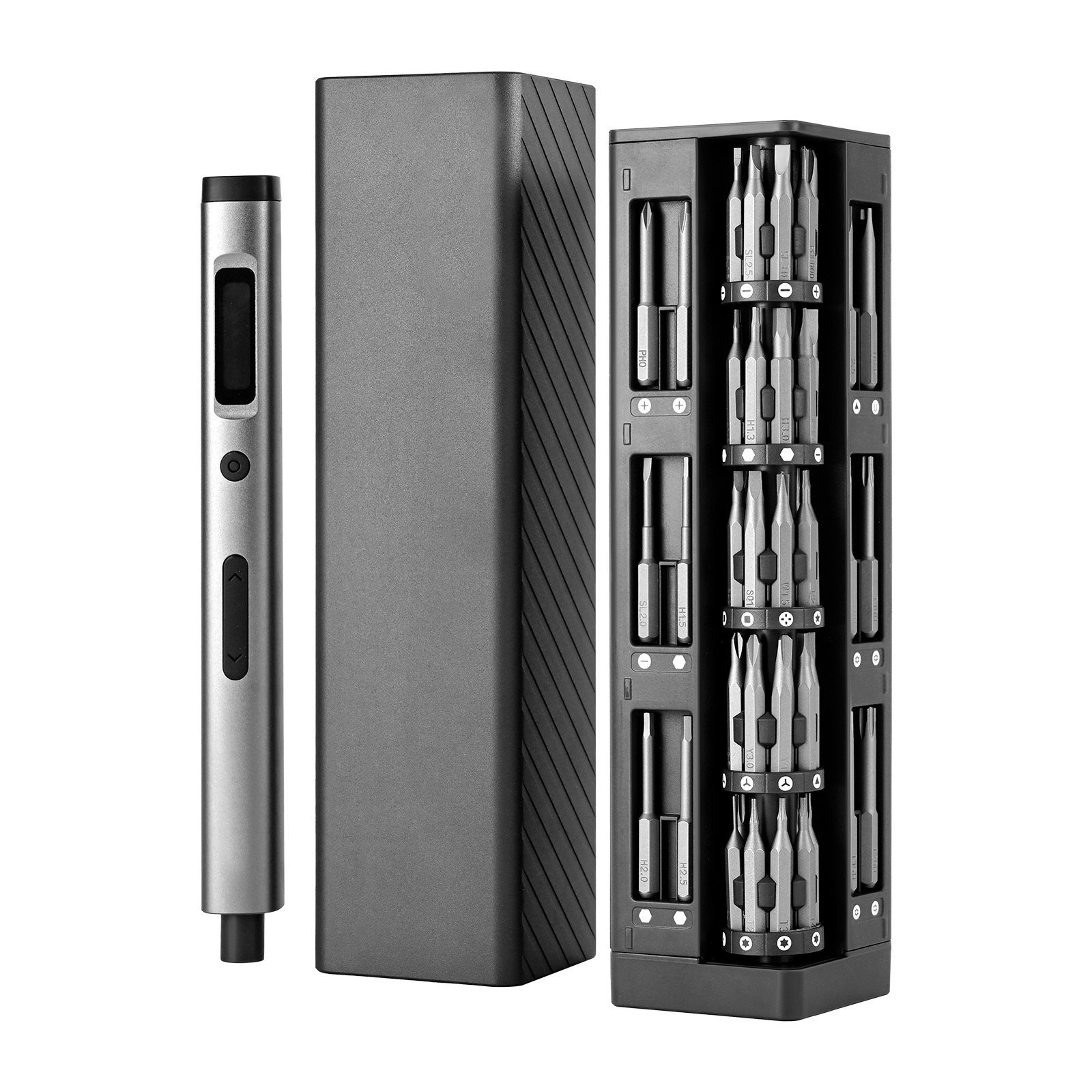
Identify the screw profile first, then choose the exact size that seats fully without rocking. Check your device’s service information before opening it. Compare the kit’s actual bit list, handle control, storage and replacement availability—not just its total piece count.
1. Start with the device or fastener—not the kit
Searching for the best precision screwdriver set for electronics repair can return kits with very different bit selections. Phones, laptops, cameras, toys, eyeglasses and small appliances do not all use the same screws. Even products in the same category may use different fasteners across models and generations.
Before buying, identify the exact device model and consult its repair or service documentation where available. Write down the drive profile and size. If you cannot identify the fastener, do not assume that a small Phillips bit will fit every cross-shaped recess.
2. Precision screwdriver bit types explained
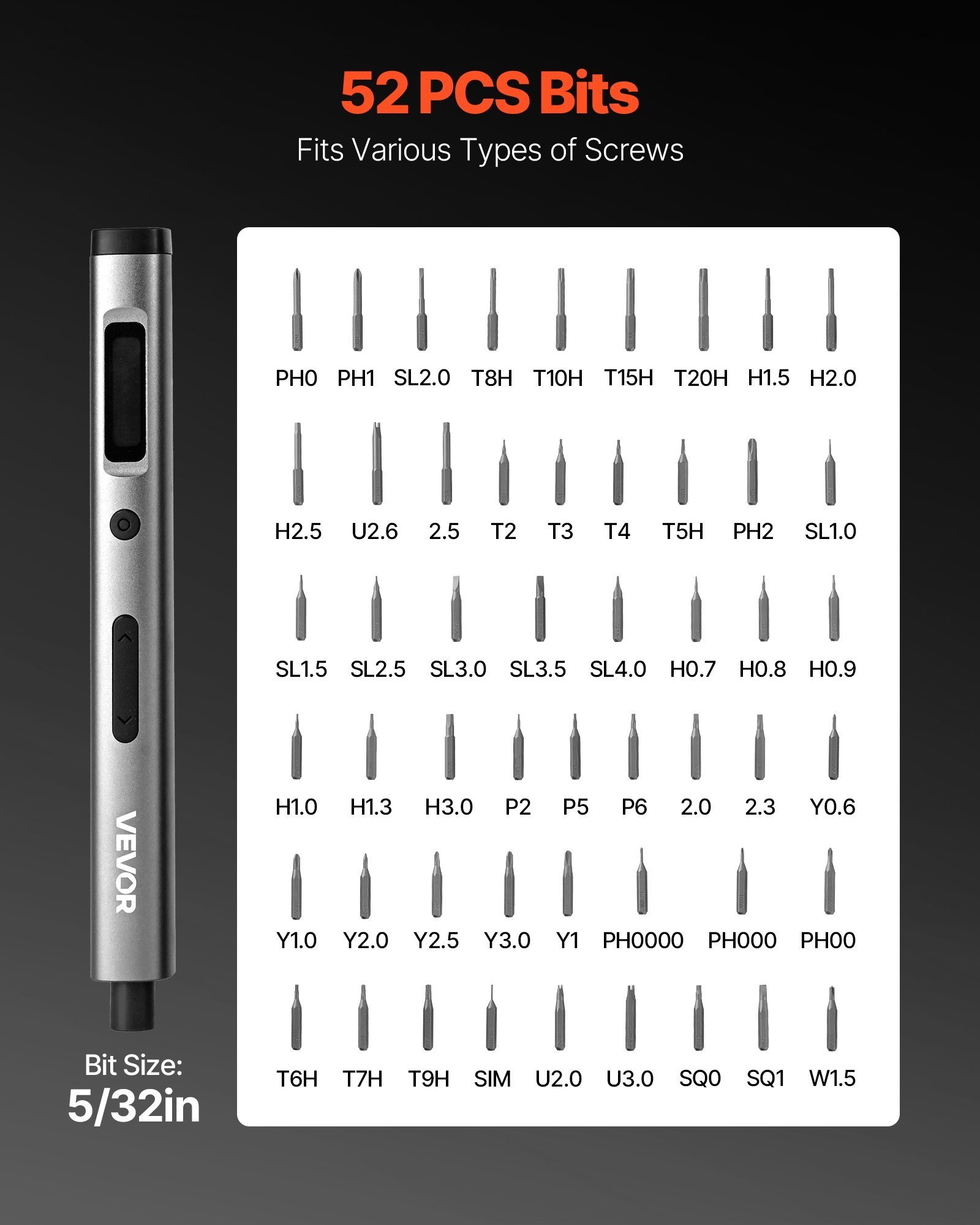
| Drive family | How it looks | Selection note |
|---|---|---|
| Phillips (PH) | Four-arm cross | Choose the size that fills the recess; do not guess from appearance alone. |
| Slotted | Single straight slot | Blade width and thickness should fit the slot closely. |
| Torx (T) | Six-point star | Use the exact Torx size; security Torx may have a centre hole. |
| Hex | Six-sided internal socket | Metric and imperial sizes are not interchangeable. |
| Pentalobe | Five-lobed star | Check the device-specific size; it is not Torx. |
| Tri-point / tri-wing | Three-lobed or three-wing recess | Confirm the exact profile and size before applying torque. |
| Pozidriv (PZ) | Cross-shaped recess with additional smaller ribs | Use a Pozidriv bit of the specified size; do not substitute Phillips. |
| Japanese Industrial Standard (JIS) | Cross-shaped drive with its own geometry | JIS and Phillips can look similar but are not always interchangeable. |
Phillips vs JIS vs Pozidriv: These cross-shaped drives are easy to confuse. A Phillips bit should not be assumed to fit a JIS or Pozidriv screw correctly. Check the screw head and device documentation, then use the matching profile. The iFixit screwdriver-bit identification guide explains the Phillips-versus-JIS distinction and shows how to identify bit sizes.
This is a recognition chart, not a device compatibility list. The manufacturer’s service guide is the best place to confirm which fasteners a specific model uses.
3. How to choose the correct precision screwdriver bit size
- Identify the profile: Determine whether the screw is Phillips, Torx, hex, pentalobe, tri-point or another type.
- Check the specified size: Use the model’s service documentation or a reliable parts reference if available.
- Test the fit gently: The bit should enter fully and sit squarely, without noticeable rocking or side-to-side play.
- Keep the driver aligned: Hold the shaft in line with the screw and apply controlled downward pressure while turning slowly.
- Stop if it slips: Re-check the profile, size and condition of the screw and bit. More force can make the damage worse.
Use the manufacturer’s service information to confirm the fastener before starting a repair.
4. What makes a precision screwdriver kit worth buying?
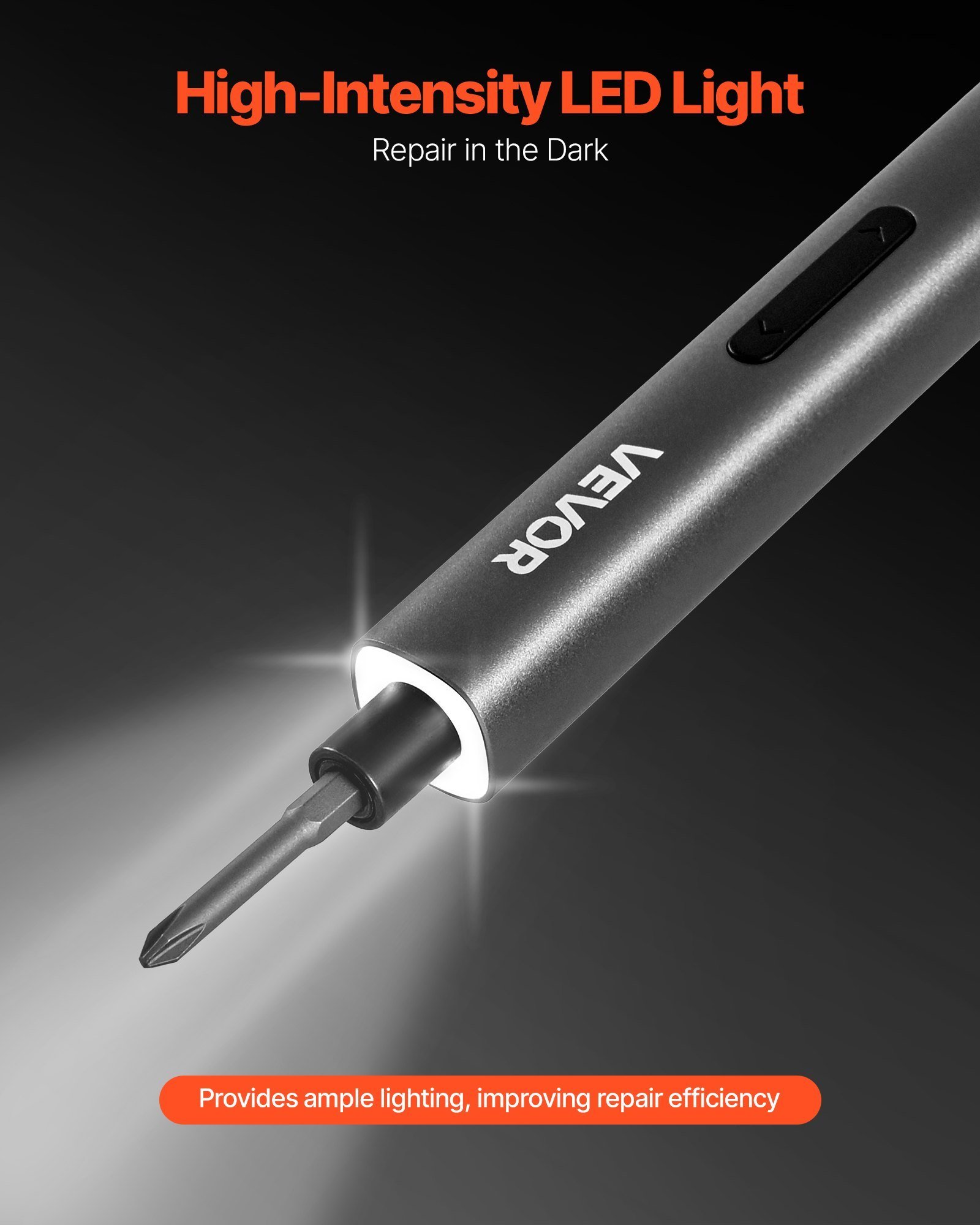
- Useful bit coverage: The case should list exact profiles and sizes. A large assortment is useful only if it includes the fasteners you encounter.
- Accurate tips: Cleanly machined tips should engage the screw evenly. Poor fit can damage both the fastener and the driver.
- Controlled handle: A slim handle and rotating end cap can help with fingertip control. The grip should feel stable rather than slippery.
- Bit retention: A secure holder reduces the chance of a bit wobbling or falling out during use.
- Organised case: Clear labels make small sizes easier to identify and return to their slots.
- Material claims: Compare the stated bit material and manufacturer information, but do not treat a steel label as proof of accuracy or durability by itself.
- Replacement support: If you use the kit regularly, check whether worn or missing bits can be replaced.
5. Supporting tools for detailed repair work
| Tool | Why it helps | What to verify |
|---|---|---|
| Fine-tip tweezers | Positioning small screws and components | Tips align and close evenly |
| Needle-nose pliers | Holding small parts in accessible areas | Jaws meet correctly; size suits the work |
| Flush cutters | Specific fine trimming jobs | Rated for the material and wire size |
| Digital caliper | Measuring external, internal and depth dimensions | Zero check, readable display and gentle handling |
| Magnifier and task light | Inspecting tiny fasteners and components | Comfortable viewing angle and adequate lighting |
6. ESD protection and electrical safety
Electrostatic discharge (ESD) can damage sensitive electronic components even when no visible spark is noticed. If you regularly work on exposed circuit boards, follow the device maker’s ESD procedures and use suitable grounding equipment, such as an appropriate ESD mat and wrist strap. Do not assume that a metal screwdriver handle is automatically ESD-safe.
Disconnect equipment from its power source before opening it, and follow manufacturer guidance for batteries and capacitors. Never puncture, bend, short-circuit or force open a battery. Mains-powered equipment and repairs involving hazardous voltages should be left to qualified technicians.
7. Precision kit or general hand-tool kit?
A precision kit is designed around small fasteners and controlled fingertip work. A general DIY hand-tool kit is built for larger screws, nuts, fittings and household jobs. They complement each other but are not substitutes. If you are building a broader home toolkit, read our DIY hand tools buying guide for the essential larger tools.
8. Buying checklist before you order
- Do I know the exact device or fastener type?
- Does the set list the required profiles and sizes?
- Can each bit seat fully without rocking?
- Is the handle comfortable for slow, controlled turning?
- Are the bits organised and replaceable?
- Do I need ESD equipment or specialist opening tools as well?
Frequently asked questions
What is the difference between a precision and a standard screwdriver set?
Precision sets use smaller bits and slim handles for small fasteners and detailed work. Standard screwdriver sets have larger tips and handles for general household fasteners and higher manual torque.
How many bits should a precision screwdriver set have?
There is no ideal number for everyone. Choose a set that lists the profiles and sizes required by your devices. A smaller, well-matched kit can be more useful than a larger assortment with missing specialist bits.
Are magnetic precision screwdriver bits safe for electronics?
A magnetic tip is mainly a screw-retention feature; it does not make a driver ESD-safe. For work on exposed circuit boards, follow the device maker’s ESD procedure and use properly grounded ESD equipment where required. If a component or manufacturer warns against magnetic tools, follow that instruction.
How do I stop stripping tiny screws?
Use the correct profile and size, ensure the bit seats fully, keep the driver aligned and turn with controlled pressure. Stop immediately if the bit slips or the screw begins to deform.
Choose tools for accurate work
Explore the Toolriz shop for DIY and precision tool options. If you also care for outdoor equipment, continue with our guide to cleaning, sharpening and storing garden tools.
Editorial note: This article provides general tool-selection information. Device-specific repair steps, ESD requirements and battery precautions must follow the manufacturer’s documentation.